Presentation Details
Anthropogenic activities and their impacts on greenhouse gases releases and land subsidence from peatlands
ID:3443
View Protection:PRIVATE
Updated Time:2023-05-06 22:26:21
Hits:2034
Oral Presentation

Start Time:2023-05-07 08:00(Asia/Shanghai)
Duration:15min
Session:20 20、地球关键带与全球变化 »
Abstract
Peatland ecosystems are globally important carbon stores. Disturbances, such as drainage and climate drying, act to lower peatland water table depths, consequently enhancing soil organic matter decomposition, mineralization and subsidence rates. Using our own annually measured fluxes of greenhouse gases (GHGs) and globally synthesized annual GHGs from peatlands, we find that the water table decline (due to anthropogenic drainage or climate drying) significantly reduces net CO2 uptake across Tibetan peatlands to global peatlands, while substantially increases N2O emissions. We also find that the water table decline stimulated heterotrophic, rather than autotrophic, soil respiration, which was associated with an increase in subsidence rate. This relationship held across different climate zones and land uses. We find that 81% of the total annual soil respiration for all drained peatlands was attributable to tropical peatlands drained for agriculture and forestry and temperate peatlands drained for agriculture. Globally, we estimate that, drained peatlands release 645 Mt C yr–1 (401–1025 Mt C yr–1) through soil respiration, equivalent to approximately 5% of global annual anthropogenic carbon emissions. Our findings highlight the importance of conserving pristine peatlands to help mitigate climate change.
Keywords
Peatland,anthropogenic activity,greenhouse gas,subsidence
Speaker
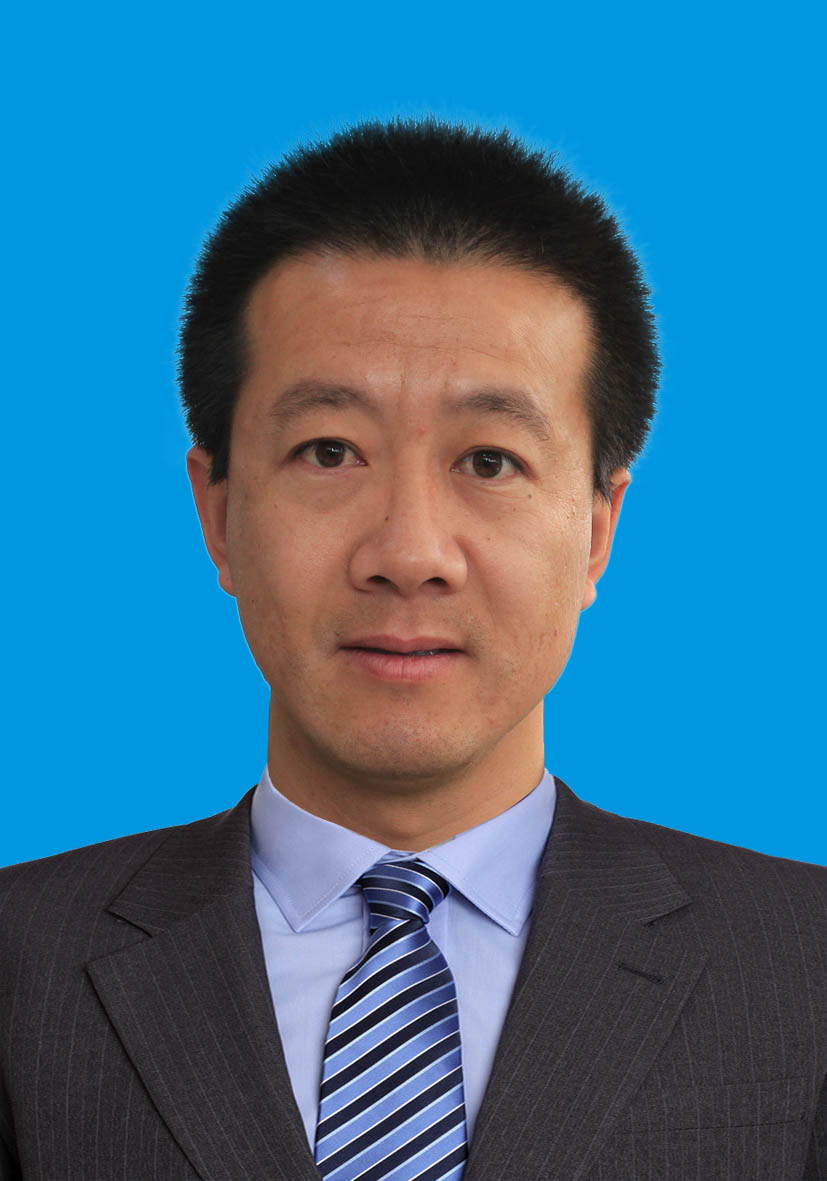
马磊
青年研究员 兰州大学Submission Author
All Comments
Important Date
-
Conference Date
May 05
2023
toMay 08
2023
-
Mar 31 2023
Draft paper submission deadline
-
May 25 2023
Registration deadline
Sponsored By
青年地学论坛理事会
中国科学院青年创新促进会地学分会
中国科学院青年创新促进会地学分会
Organized By
武汉大学
中国科学院精密测量科学与技术创新研究院
中国地质大学(武汉)
中国科学院精密测量科学与技术创新研究院
中国地质大学(武汉)
Contact Information
- 管小彬
- gu******@whu.edu.cn
- +86********
- 孙佳妮
- sc******@aconf.org
- +86********

Submit Comment